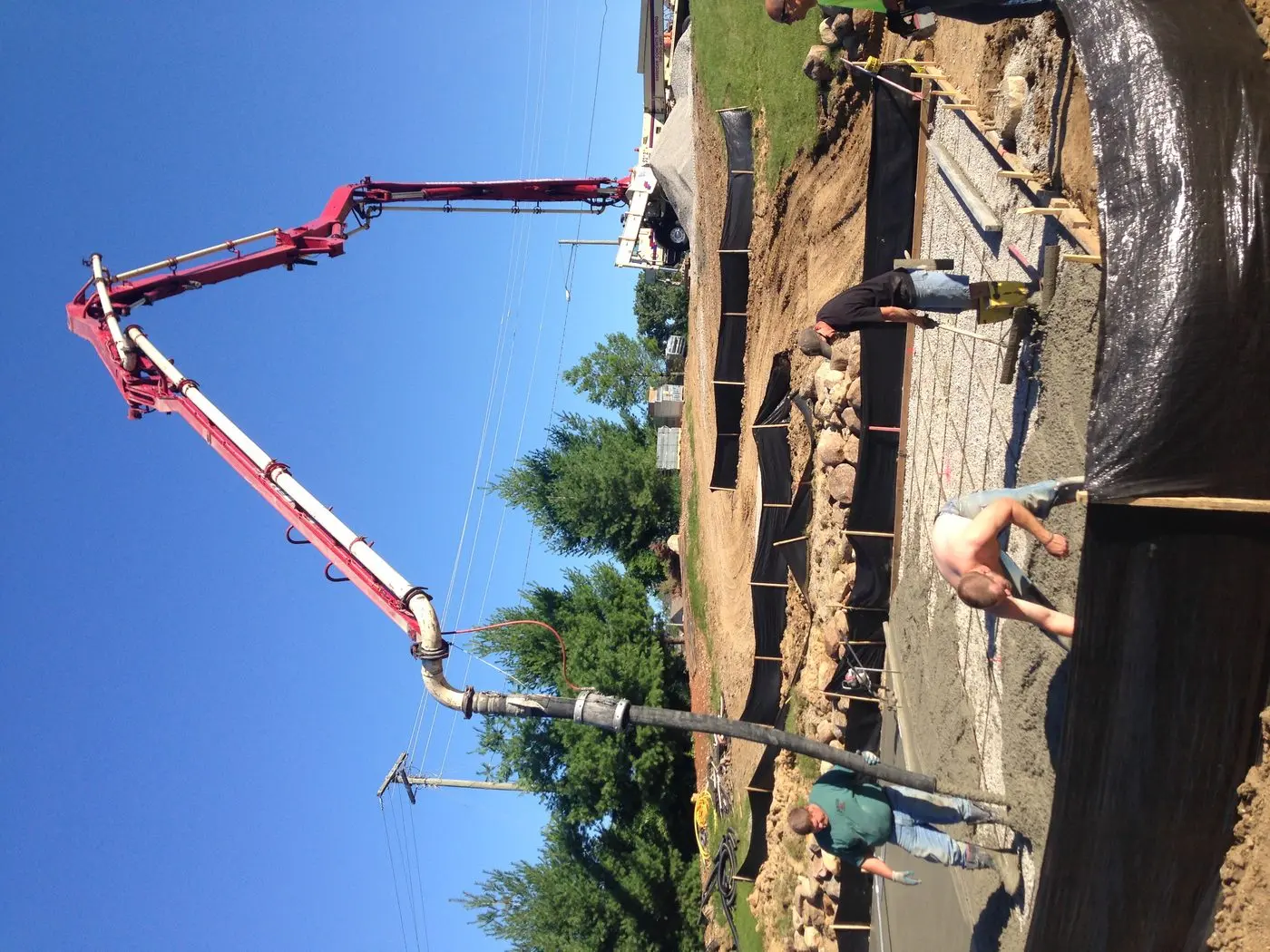
What Patios & Hardscape Really Means
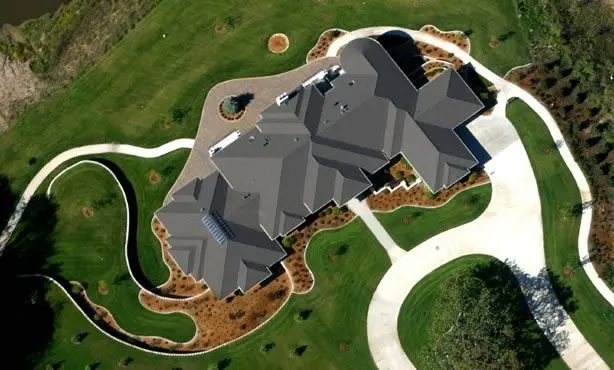
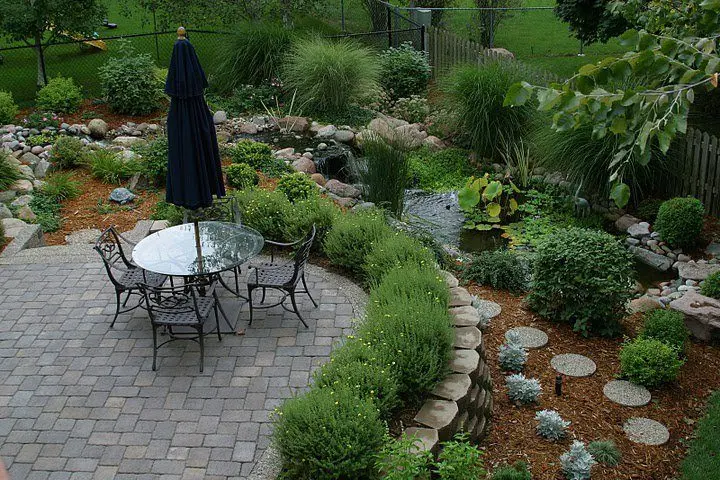
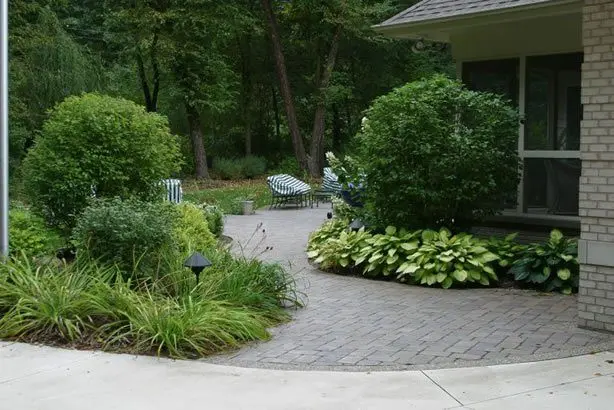
Hardscape is the built, non-plant portion of your landscape — patios, walkways, courtyards, sitting walls, and the paved areas that tie your entire outdoor space together. It's the foundation that everything else in your yard is organized around: your fire pit sits on it, your outdoor kitchen is built into it, your furniture lives on it, and your family and guests walk across it every single day. A well-designed patio doesn't just add a flat surface outside your back door — it extends your living space outdoors, creates defined "rooms" in your yard, and often becomes the single most-used square footage on your entire property.
At Landforms Design Inc, patios and hardscape have been at the core of our business since 1995. We've built everything from simple 200-square-foot reading patios to elaborate multi-level outdoor living complexes with kitchens, seating walls, fire features, and lighting integrated from day one. What every successful project shares is the same foundation: a properly excavated and compacted base, quality paver material rated for our climate, and a design that actually fits how the homeowner lives.
Our Design & Installation Approach
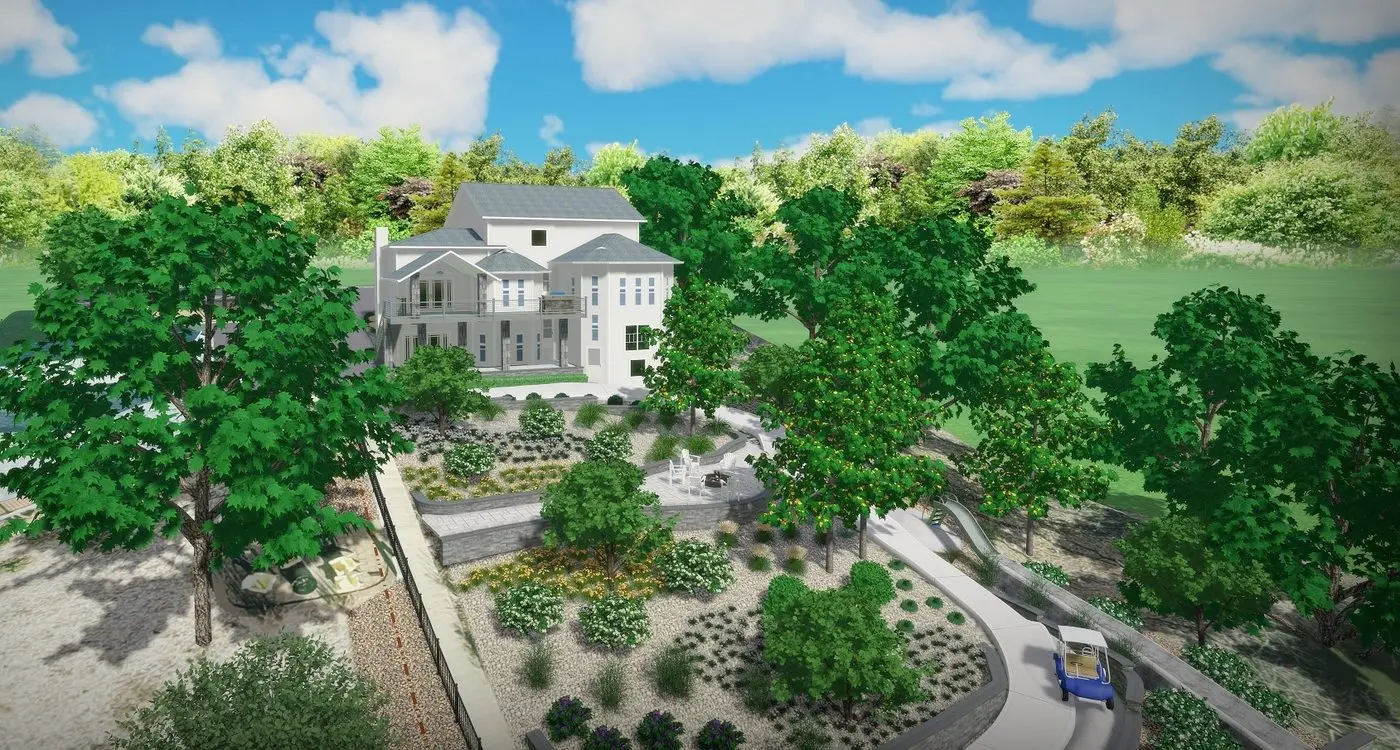
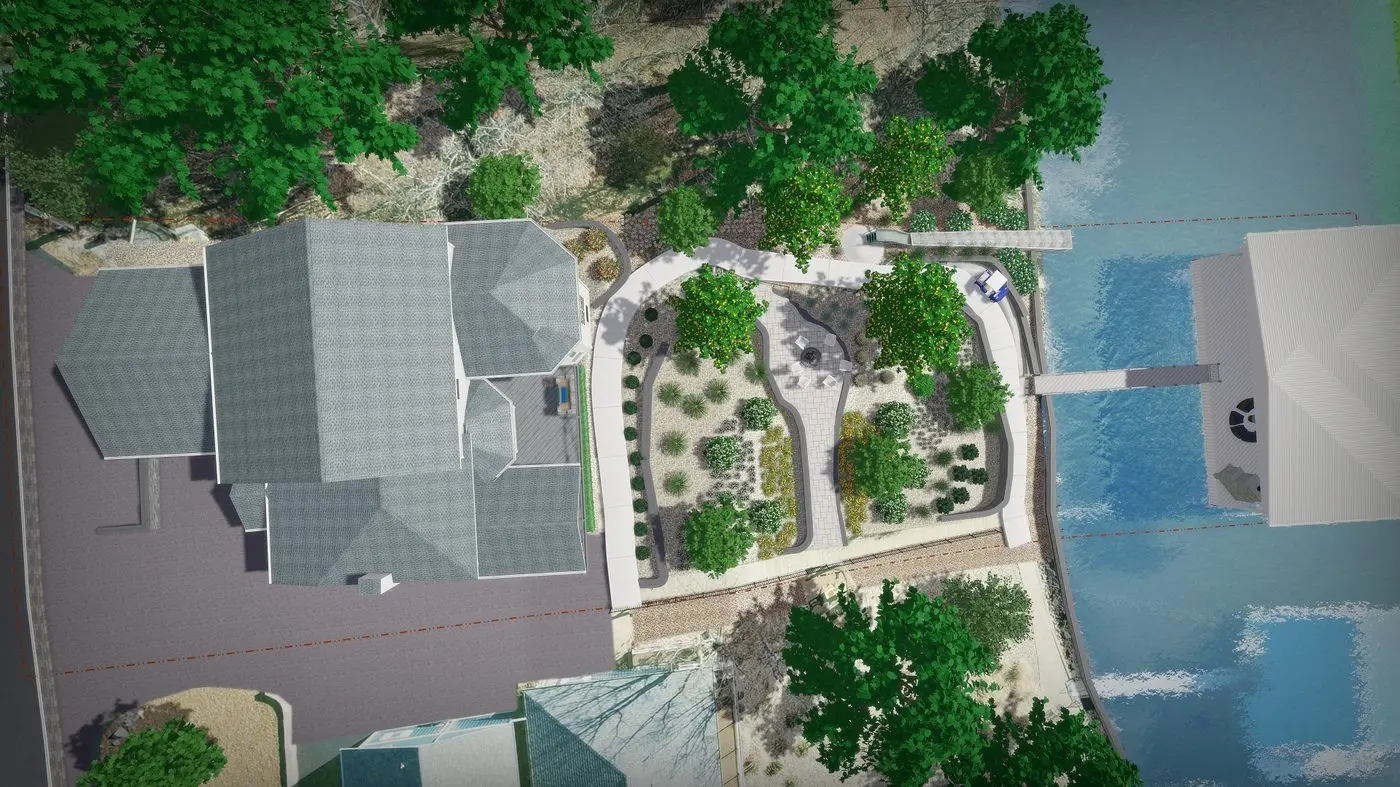
We start every hardscape project with a conversation about how you actually want to use the space — daily family dinners, large gatherings a few times a year, quiet morning coffee, or all of the above. This shapes everything from square footage to traffic flow to furniture zones. We then model the patio using our Uvision 3D Landscape Creator software, which lets you walk through a photorealistic rendering of your future patio on your actual property before we break ground. You'll see paver color and pattern options, how the space transitions from your home's architecture, where shade falls throughout the day, and how the new hardscape connects to existing walkways, decks, or landscape beds. This step eliminates the guesswork and the "I wish I'd known that would look like this" regret that's common with hardscape, since concrete and pavers are a permanent decision.
Premium Materials: Why We Build with Unilock
We install premium Unilock pavers almost exclusively, and that choice is deliberate. Unilock manufactures its pavers to a high-density specification that dramatically reduces water absorption compared to standard concrete pavers or poured concrete. In a climate like Cedar Rapids, where surfaces go through dozens of freeze-thaw cycles every winter, that lower absorption rate is the difference between a patio that looks the same in year twenty as it did in year one and a patio that spalls, cracks, and flakes within a handful of seasons. Unilock backs its products with material warranties specifically because they're engineered for exactly this kind of climate stress.
We work with a range of Unilock collections depending on the aesthetic you're after:
- Beacon Hill Flagstone and Il Campo for a natural, old-world stone look
- Umbriano and Copthorne for a refined, granite-like appearance with subtle color blending
- Courtstone and Brussels Block for classic, timeless patterns that suit traditional Cedar Rapids homes
- Large-format Umbriano and Artline slabs for a clean, modern, minimal-joint look increasingly popular in newer builds
Every collection is available in a range of color blends designed to complement Iowa's natural stone and soil tones, and all can be paired with matching wall units, steps, and edge restraints so your patio, seat walls, and any adjoining retaining walls read as one unified system.
The Base Is the Patio
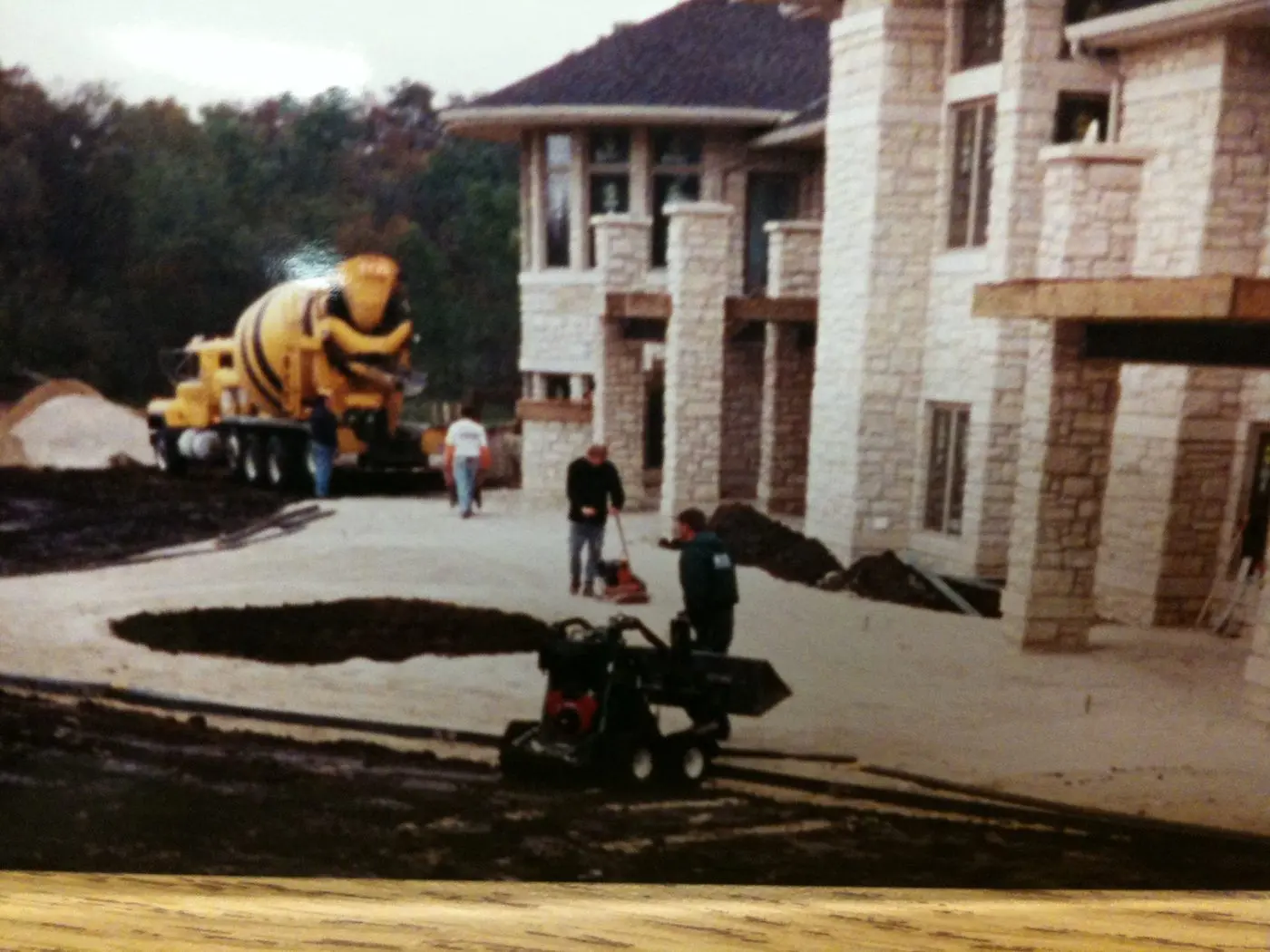
The single biggest determinant of a patio's long-term performance is what's underneath it — something homeowners rarely think about because they never see it again after installation day. We excavate to a depth appropriate for the paver system and expected load (foot traffic only versus vehicle traffic, for example, require different base depths), then install a compacted crushed limestone base in lifts, typically 4 to 8 inches for standard patios and more for driveway applications. Each lift is compacted with mechanical plate compactors to prevent the settling and unevenness that plagues patios built on inadequate base. We then add a leveling layer of coarse concrete sand, screed it precisely, and hand-set each paver to the design pattern before compacting the entire surface again to lock the pavers together and seat them into the bedding sand. Polymeric jointing sand is swept into the joints and activated to bind the pavers together while still allowing for the slight flexibility that makes paver systems more resilient to freeze-thaw movement than a single rigid slab of poured concrete.
The Homeowner Process
From first call to finished patio, most projects follow the same path: an on-site consultation to discuss goals and take measurements, a 3D design presentation for approval, a written proposal with material and cost detail, and a scheduled installation window. Depending on size and complexity, installation typically runs from a few days for a straightforward patio to two or three weeks for a full outdoor living space with retaining walls, steps, a kitchen structure, and lighting. We handle excavation spoil removal, base material delivery, paver installation, and final cleanup so your yard is left tidy and ready to use, not littered with construction debris.
Why Iowa Climate Makes This Matter
Cedar Rapids experiences roughly 30 to 40 freeze-thaw cycles each winter, along with heavy spring rains and clay-based soils that expand and contract with moisture content. A patio built on a shallow or poorly compacted base, or built with standard-grade paver material, will heave, settle unevenly, and develop cracked or shifted pavers within just a few winters. This is the most common hardscape complaint we hear from homeowners who previously had work done by an inexperienced contractor. Building to the depth and compaction standard our climate actually demands — not the minimum a crew can get away with — is what separates a patio that needs to be redone in five years from one that still looks great in twenty-five.
Professional Installation vs. DIY
Paver patio kits marketed for DIY installation can work reasonably well for very small, low-traffic areas like a single-level walkway or a small fire pit pad. For anything larger, the physical labor of excavation and base compaction alone is significant, and the margin for error in slope, drainage, and paver leveling grows with every square foot. A patio that isn't sloped correctly (generally a minimum of 1 to 2 percent grade away from the home) will pond water, which then works its way into joints, freezes, and accelerates paver movement. Professional installation brings the right compaction equipment, correctly calculated base depths for our soil and climate, proper drainage planning, and a design eye that most DIY projects lack — plus a workmanship warranty that protects your investment.
Frequently Asked Questions
How much does a paver patio cost in Cedar Rapids, Iowa?
Patio costs depend on square footage, paver selection, base depth requirements, site accessibility, and any added features like seat walls, fire pits, or steps. Because every yard and every homeowner's goals are different, we provide free on-site estimates rather than generic per-square-foot pricing, so you get an accurate number based on your actual project.
How long does paver patio installation take?
A straightforward patio between 200 and 500 square feet typically takes 3 to 7 working days from excavation to final cleanup, weather permitting. Larger or more complex projects involving retaining walls, outdoor kitchens, multiple levels, or extensive lighting can take two to three weeks. We give you a specific timeline estimate as part of your project proposal.
Will my paver patio crack or shift during Iowa winters?
Properly installed paver patios are actually more resilient to freeze-thaw movement than poured concrete slabs, because the individual units and jointing sand allow for slight flexing rather than cracking under stress. The keys are a correctly compacted crushed stone base of adequate depth, quality high-density pavers like Unilock, and proper drainage so water doesn't pool and freeze beneath the surface. We build to these standards on every project specifically because of our climate.
Can you add a fire pit, seat wall, or outdoor kitchen to my patio design?
Yes, and we encourage homeowners to think about these features during initial design rather than as an afterthought, since it's far more cost-effective to plan gas lines, electrical conduit, and structural bases into the original patio build. We regularly design and build complete outdoor living spaces that integrate fire features, seat walls, kitchen structures, and lighting into one cohesive plan using our 3D design process.
What maintenance does a paver patio need?
Paver patios are low-maintenance compared to poured concrete or wood decking. We recommend an occasional rinse or light sweep to keep joints clear of debris, periodic reapplication of polymeric sand if joints show wear after several years, and an optional sealant application every few years to enhance color and resist staining. Unlike concrete, individual pavers can be lifted and replaced if ever damaged, without redoing the entire surface.
Ready to Get Started?
Contact Landforms Design Inc today for a free estimate. We serve Cedar Rapids and all of Eastern Iowa.
Request Your Free QuoteOr call us directly: (319) 899-4322