Why Thoughtful Garden Bed Design Matters
Garden beds are often the most personal part of a landscape — the place where color, texture, and seasonal change happen closest to where you actually spend time outside. But garden beds that are designed without attention to soil condition, sun exposure, drainage, and true plant hardiness tend to disappoint within a season or two: plants that struggle, beds that need constant replanting, or a look that's beautiful in June and bare for the rest of the year. Done right, a garden bed is a long-term investment that gets better every year as plants mature and fill in, rather than a recurring expense that needs to be redone.
Landforms Design Inc has designed and installed garden beds throughout Cedar Rapids and Eastern Iowa since 1984. Our approach centers on plant selection suited specifically to our region's growing conditions, proper soil preparation, and bed layouts that provide visual interest across all four seasons rather than a single burst of color that fades by midsummer.
Our Approach to Planting Design
Every garden bed project starts with a site assessment: how much direct sun the area receives and at what time of day, existing soil composition and drainage, proximity to downspouts or low spots that collect water, mature tree root competition, and how the bed will be viewed — from a window, a patio, the street, or all three. We also talk with homeowners about maintenance expectations, since a bed designed for someone who wants to garden hands-on every weekend looks very different from a low-maintenance bed for someone who wants beauty without a lot of upkeep.
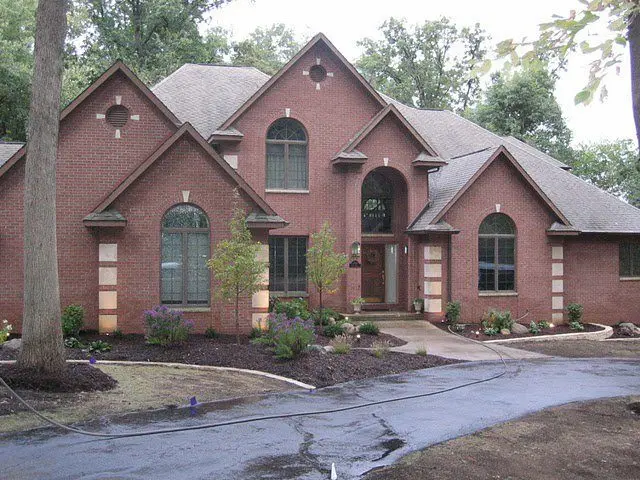
Using our Uvision 3D Landscape Creator software, we can show you how a proposed bed will look at planting and, importantly, how it will look in three to five years once perennials and shrubs reach mature size — a detail that's easy to underestimate and is one of the most common regrets homeowners have with beds designed without this kind of visualization. Overplanting for immediate impact is one of the most frequent mistakes in DIY and inexperienced landscaping; a bed that looks perfectly full on installation day often becomes overcrowded and unhealthy within a few years if mature plant size wasn't accounted for from the start.
Northern-Grown Plants: Why Sourcing Matters
One of the most important and least visible decisions in any planting project is where the plant material actually comes from. We specify northern-grown plants — nursery stock grown in climates comparable to or colder than Cedar Rapids, rather than plants grown in the South or on the West Coast and shipped north for sale. This matters because a plant's cold hardiness isn't just genetic; it's also developed through the plant's actual growing conditions. A shrub grown for two or three seasons in a northern nursery has developed root density, cell wall thickness, and dormancy timing adapted to real winter cold and freeze-thaw cycles. The same species grown in a warmer climate and trucked in for spring sale often has none of that conditioning, and it shows: significantly higher winter dieback and outright plant loss in the first one to two years after planting. Northern-grown stock costs more up front but dramatically reduces the replacement and gap-filling costs that plague beds planted with mismatched material.
Plant Palette for Eastern Iowa
Cedar Rapids sits in USDA Hardiness Zone 5a to 5b, with cold winters, hot and often humid summers, and clay-heavy soils that can swing between saturated and compacted depending on the season. Our planting plans draw from species proven to perform reliably in these conditions, including:
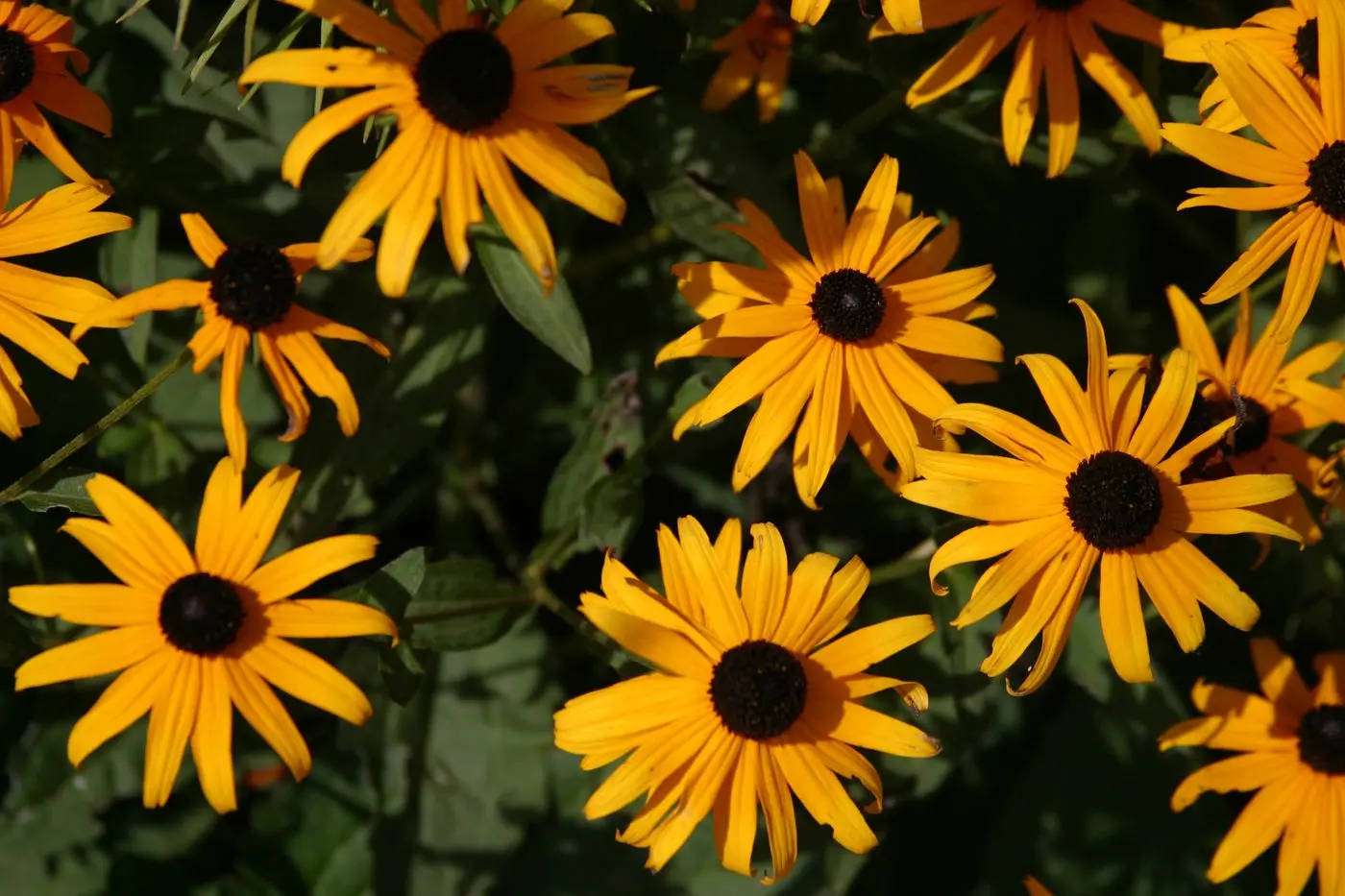
- Native and near-native perennials such as coneflower, black-eyed Susan, coreopsis, and prairie dropseed, which are naturally adapted to Iowa's climate and require less supplemental water once established
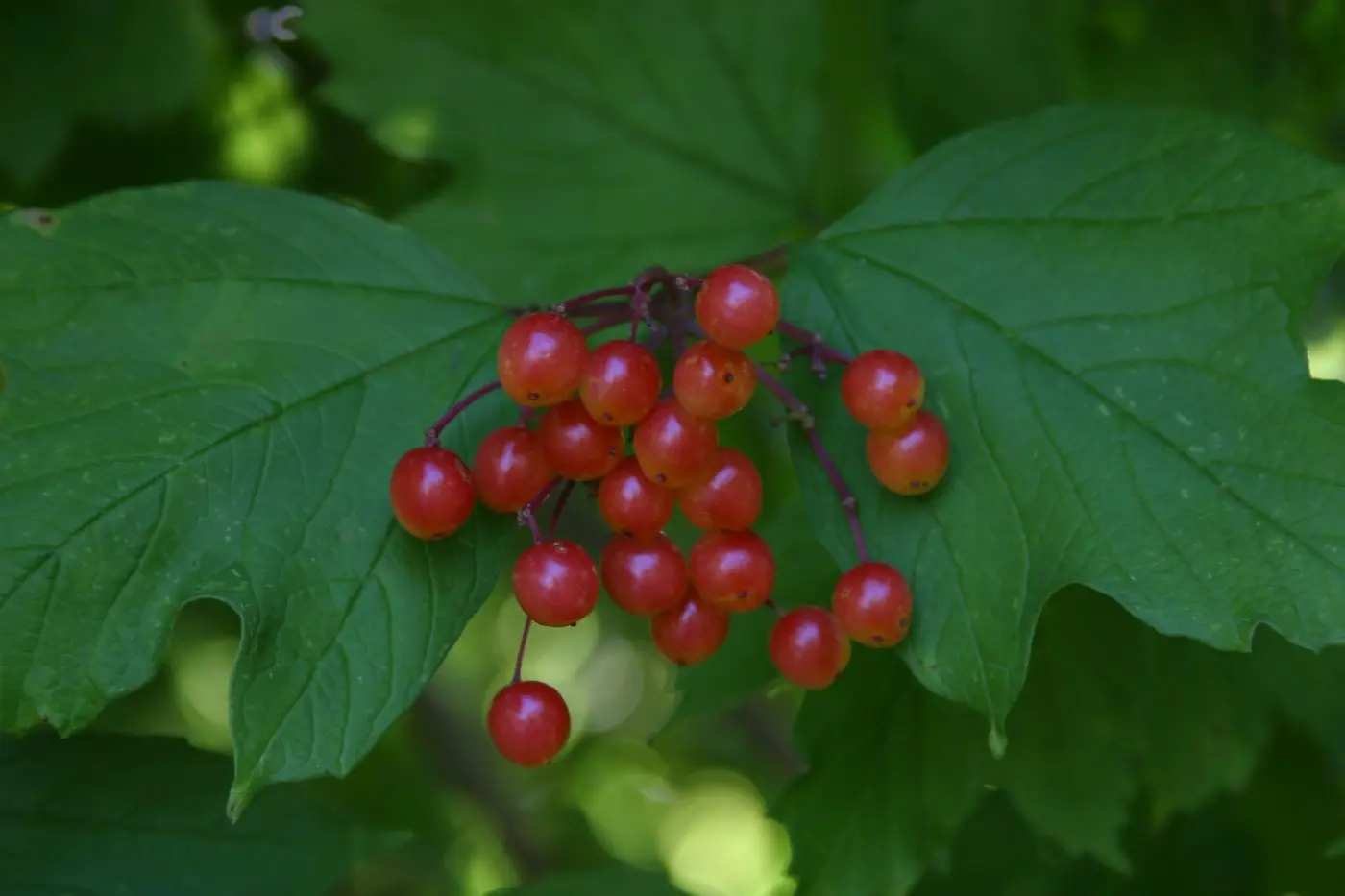
- Hardy flowering shrubs including hydrangea varieties bred for zone 5, dwarf lilac, and viburnum for reliable spring and summer bloom
- Evergreen structure plants like boxwood, dwarf Alberta spruce, and arborvitae varieties selected for winter hardiness, providing year-round form when perennials go dormant
- Ornamental grasses such as little bluestem and switchgrass for texture, movement, and winter interest after most flowering plants have died back
- Spring bulbs and early perennials to extend seasonal interest before the summer bloom period begins
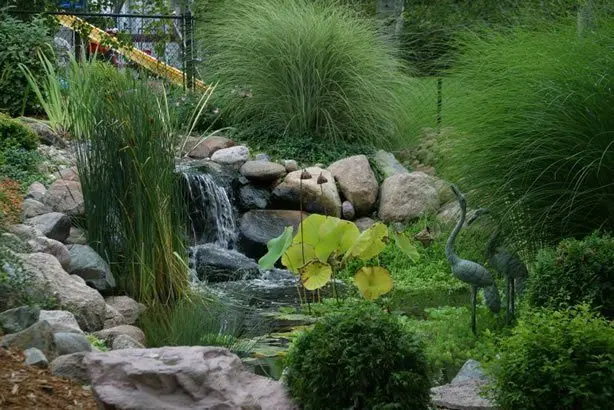
We design bed layouts using layered planting principles — taller structural plants toward the back or center, mid-height shrubs and perennials filling the body of the bed, and low groundcover or edging plants at the front — so beds have depth and structure rather than a flat, uniform look.
Soil Preparation and Installation
Cedar Rapids' native clay soil is fertile but drains poorly and compacts easily, which can suffocate plant roots if beds are installed without proper amendment. Our installation process typically includes tilling or breaking up compacted native soil, incorporating compost and other organic matter to improve structure and drainage, and grading the bed with a slight crown or appropriate slope so water moves through rather than pooling around root balls. For beds in particularly poor-draining locations, we sometimes recommend raised bed construction or integrated drainage improvements as part of the broader project. Mulching with a properly sized layer of shredded hardwood or similar mulch finishes the bed, regulating soil temperature, retaining moisture, and suppressing weed competition while plants establish.
The Homeowner Process
After an initial consultation and site walk, we typically present a planting plan and, for larger projects, a 3D visualization for your approval. Once approved, installation for a standard residential garden bed project usually takes one to three days depending on size and complexity, including soil preparation, planting, and mulching. We provide care guidance for the first season, since proper watering during establishment is critical to helping new plants — even hardy, northern-grown ones — develop the root systems they need before their first Iowa winter.
Why Iowa Conditions Make This Service Essential
Between our clay soil, our wide temperature swings, and periodic drought stress in mid to late summer, Eastern Iowa is a genuinely demanding environment for plants that aren't well-matched to it. Improperly selected or sourced plants often look fine through their first summer, then suffer significant winter dieback or fail to leaf out the following spring — a frustrating and expensive pattern that repeats every year a homeowner replaces struggling plants with more of the same mismatched material. Getting plant selection and soil preparation right the first time breaks that cycle.
Professional Planting vs. DIY
Garden centers make it easy to buy and plant on a weekend, and for homeowners who enjoy hands-on gardening, that's a genuinely rewarding hobby. Where professional design and installation adds real value is in the details that determine long-term success: knowing which specific cultivars within a species handle Iowa winters best, understanding mature plant spacing so beds don't become overcrowded, correctly amending heavy clay soil rather than just digging a hole and dropping in a plant, and designing for four-season interest rather than a single peak bloom period. We also source plant material through nursery relationships built over decades, giving us access to healthier, better-conditioned stock than what's typically available at big-box retailers.
Frequently Asked Questions
What plants actually survive Iowa winters?
The plants most likely to thrive in Cedar Rapids are those rated for USDA Zone 5a or colder and, ideally, sourced from northern-grown nursery stock rather than material grown in warmer climates. Native and near-native prairie perennials, cold-hardy shrub varieties, and evergreen structure plants selected specifically for zone 5 conditions consistently outperform generic nursery selections. We choose our plant palette specifically around proven regional performance rather than what simply looks appealing in a spring photo.
What is the best time of year to plant garden beds in Cedar Rapids?
Both spring and early fall are excellent planting windows in Eastern Iowa. Spring planting, after the risk of hard frost passes, gives plants a full growing season to establish before winter. Early fall planting, roughly six weeks before the ground freezes, allows root systems to establish in cooler, less stressful conditions and often results in stronger growth the following spring. We generally avoid planting during the peak heat and potential drought stress of mid-summer unless irrigation support is in place.
Why do my new plants keep dying over winter?
The most common causes are plants that aren't truly hardy for our zone despite being labeled for sale locally, plants sourced from warmer growing regions that lack winter conditioning, poor soil drainage that leads to root rot during wet periods, or insufficient watering during the plant's first growing season before winter. We address all of these factors directly — from sourcing northern-grown stock to amending clay soil for proper drainage — specifically to prevent this frustrating and costly cycle.
How do you design a garden bed that looks good in every season?
We layer plant selections so that bloom times, foliage color, and structural interest overlap throughout the year — early bulbs and perennials for spring, a range of summer-blooming perennials and shrubs for the peak season, ornamental grasses and late bloomers for fall color, and evergreen or structural plants that hold visual interest through winter when most other plants are dormant. This four-season approach is built into every planting plan we design.
How much maintenance do professionally designed garden beds require?
This depends entirely on the plant palette and design goals we agree on during consultation. We can design low-maintenance beds using durable perennials, shrubs, and groundcovers that need only seasonal cleanup, or more hands-on beds for homeowners who enjoy active gardening. We're upfront about the maintenance commitment of any plan before installation so there are no surprises.
Ready to Get Started?
Contact Landforms Design Inc today for a free estimate. We serve Cedar Rapids and all of Eastern Iowa.
Request Your Free Quote