


Outdoor Living Space Guide for Iowa Homes
- WIX EXPERT SEO SPECIALIST
- 1 day ago
- 6 min read

A backyard usually tells you what it needs within five minutes. Water sits near the foundation after a heavy rain. The patio feels too small once guests arrive. The grill area works, but the path to it cuts through grass and mud. A good outdoor living space guide starts there - with how the space actually performs, not just how it looks in a photo.
In Eastern Iowa, that practical approach matters. Freeze-thaw cycles, spring rain, summer heat, and day-to-day use all put pressure on outdoor construction. The best outdoor spaces are not built around one feature. They are planned as complete environments where grading, materials, layout, lighting, and plant selection work together.
What an outdoor living space guide should help you decide
If you are investing in an outdoor space, the biggest decisions are not usually about color or style first. They are about function. How do you want to use the area on a normal weeknight? How many people should it hold comfortably? Does it need shade in the afternoon, lighting after dark, or a stronger connection to the house?
Those answers shape everything that follows. A patio meant for quiet evenings has different requirements than one designed for large family gatherings. A commercial courtyard has different priorities than a residential backyard. Even within one property, some areas may need to support foot traffic and entertaining, while others should soften the space with planting beds and privacy screening.
That is why the strongest projects begin with layout and use patterns. Once those are clear, design choices become more accurate and construction decisions become more durable.
Start with the ground, not the furniture
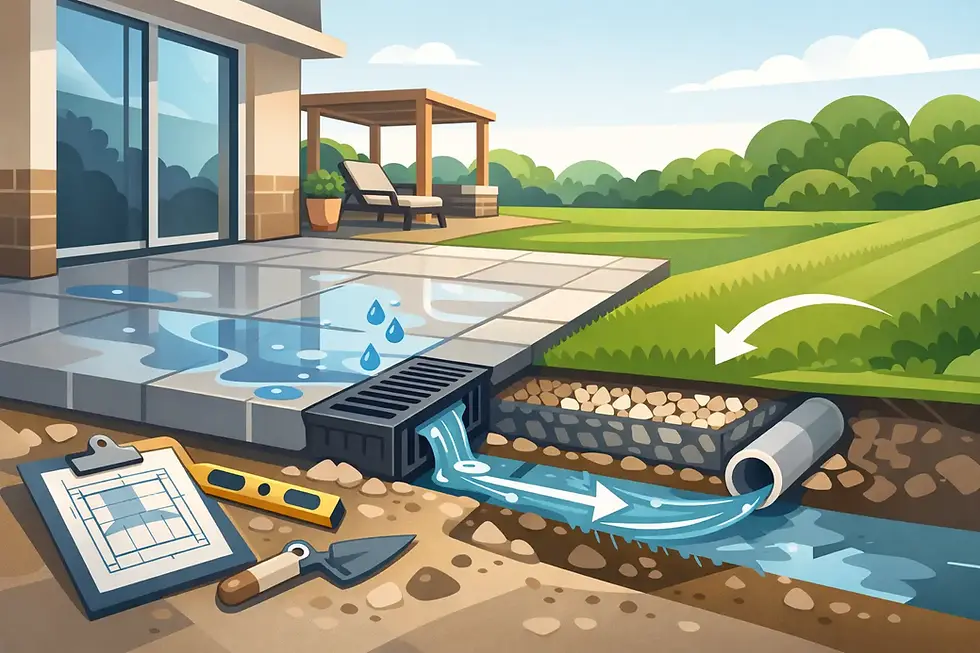
Many outdoor projects go wrong before the first paver is set. The issue is often below the surface. Grading, drainage, and base preparation are what determine whether a patio stays level, a walkway sheds water properly, and a retaining wall holds up over time.
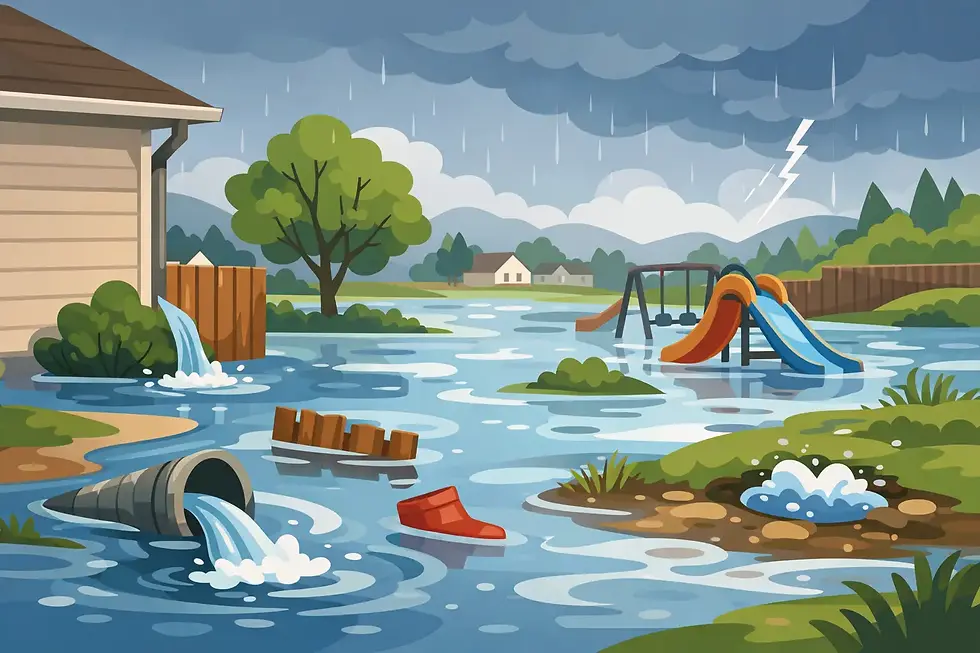
In Iowa, this is not a small detail. Soil movement and moisture can create settlement, pooling, edge failure, and long-term structural problems if the site is not prepared correctly. A beautiful patio that collects runoff or shifts after one winter is not a finished project. It is a future repair.
Professional grading matters because water always wins. It needs a planned direction away from structures and usable spaces. Depending on the property, that may involve reshaping elevations, adding drainage solutions, or coordinating hardscape and planting zones so water is managed instead of trapped.
This is where experienced design-build work provides real value. The visual side of the project matters, but so does knowing how the site will behave after a two-inch rain.
Patios and walkways set the foundation of the space
For most properties, the patio is the center of the outdoor living area. It creates the primary surface for seating, dining, cooking, and gathering. The mistake many homeowners make is sizing it only for furniture, not for movement.
A patio needs room for people to walk around chairs, pull seats back, and circulate naturally. If you expect regular entertaining, a slightly larger footprint often pays off more than adding extra features later. The same goes for walkways. They should feel intentional, connect key areas cleanly, and hold up to repeated use without becoming narrow or awkward.
Material selection also deserves more thought than appearance alone. Pavers, natural stone, and concrete elements each offer a different balance of look, maintenance, flexibility, and cost. Pavers are popular for good reason. When installed over a properly prepared base, they offer durability, design versatility, and easier repair if a section ever needs adjustment. Natural stone can create a premium, organic appearance, but it may not be the right fit for every budget or every style of property.
The right choice depends on the project goals. If long-term performance and clean installation are the priority, the build quality under the surface is every bit as important as the material on top.
An outdoor living space guide should account for Iowa weather
Outdoor spaces in Cedar Rapids, Iowa City, North Liberty, Marion, and surrounding communities need to handle real seasonal swings. That affects more than material choice. It influences how the entire space should be designed.
Sun exposure changes how usable a patio feels in July. Wind exposure can affect comfort on open sites. Snow and ice make surface texture, drainage, and access important during colder months. Plantings need to be selected for regional hardiness, not just showroom appeal.
This is where local knowledge makes a difference. A plan that looks good on paper may not perform well if it ignores the conditions of the site. Plants that struggle in Iowa soils or winters will need replacement. Low areas without proper water management will create recurring issues. Thin materials or weak base installation may fail sooner than expected.
A strong outdoor space is built for the region it lives in. That sounds simple, but it is one of the biggest differences between a project that lasts and one that starts showing problems early.
Layer in the features that match how you live
Once the layout and structural elements are right, the project can take shape around the features that make it enjoyable. For some homeowners, that means a fire feature and built-in seating. For others, it means a quiet edge of the yard with landscape lighting and a defined path from the back door. Commercial properties may need gathering areas, durable entry walkways, site lighting, and low-maintenance plantings that keep a polished appearance.
The key is restraint. Not every outdoor project needs an outdoor kitchen, pergola, water feature, and seat wall all at once. The best spaces feel purposeful, not crowded. If a feature improves comfort, usability, or flow, it earns its place. If it is there only because it looks impressive in a trend photo, it may not add much value to daily use.
Lighting is a good example. Done well, it extends the hours a space can be used, improves safety, and highlights architectural or landscape elements without overwhelming the property. Done poorly, it can feel harsh or unnecessary. The same is true for planting design. Plants should support the structure of the space, soften hardscape edges, and fit the maintenance expectations of the owner.
Visual planning saves time and avoids regret
One of the hardest parts of an outdoor project is imagining the finished result from a sketch or verbal description. That gap often leads to hesitation, design changes mid-project, or disappointment after installation.
Clear 2D and 3D visualization helps solve that. It allows property owners to understand scale, layout, circulation, and how separate features will relate to one another before construction begins. That is especially valuable on larger patios, multi-level spaces, retaining wall projects, or properties where drainage and grading are a major part of the solution.
Good planning also creates better budgeting decisions. You can see where it makes sense to invest now, where phased improvements may be practical, and which features will have the most impact. In a market where construction quality matters, that kind of clarity reduces waste and improves confidence.
Long-term value comes from build quality
An outdoor living area should improve the property for years, not just for one season. That means looking past the initial surface finish and asking harder questions about installation standards, material durability, and how the space will age.
Retaining walls need proper engineering and drainage consideration. Patios need compacted base preparation and edge restraint. Plantings need appropriate soil conditions and species selection. Athletic courts and specialty surfaces need precision grading, stable construction, and materials suited to repeated use.
These are not glamorous parts of the project, but they are where long-term value is built. Homeowners and property managers usually do not regret spending more on quality construction. They regret having to rebuild something that should have been done right the first time.
That is why a design-build partner with local experience matters. Landforms Design approaches outdoor projects with that full-picture mindset, balancing visual appeal with structural performance so the finished space works as well as it looks.
Build for the way the space will really be used
The most successful outdoor projects are rarely the flashiest. They are the ones that fit the property, support the way people actually live, and hold up through Iowa weather year after year. A family may need a larger patio and better yard access more than a decorative feature wall. A commercial site may benefit more from clean drainage, lighting, and durable walkways than from adding complexity.
That is the real purpose of an outdoor living space guide. It should help you make decisions that improve use, reduce future problems, and create a finished result that feels intentional from every angle.
When the layout is right, the grading is correct, the materials are chosen for performance, and the construction is handled with precision, the outdoor space stops feeling like an unfinished part of the property. It becomes one of the strongest parts of it.

Comments